


Introduction
Meaning of Modern Home Design
Modern home design refers to a style that focuses on simplicity, functionality, and clean aesthetics. It emphasizes open spaces, minimal decoration, and the use of modern materials such as glass, steel, and natural wood. The goal of modern design is to create a comfortable and practical living environment while maintaining a sleek and elegant appearance.
Key Characteristics of Modern Home Design
- Clean and simple lines
- Open floor plans
- Neutral color palettes
- Functional furniture and layouts
- Use of natural and modern materials
Modern home design prioritizes both beauty and practicality, making living spaces more organized and efficient.
Why Modern Design Is Popular Today
Modern design has become increasingly popular because it fits well with contemporary lifestyles. Many homeowners prefer spaces that are simple, uncluttered, and easy to maintain.
Reasons for Its Popularity
- Focus on functionality and comfort
- Clean and organized appearance
- Efficient use of space
- Adaptability to different home sizes
- Compatibility with modern technology
These qualities make modern design suitable for both large homes and smaller apartments.
Importance of Inspiration in Home Design
Inspiration plays a key role in creating a home that reflects personal taste and lifestyle. Looking at different design ideas helps homeowners discover new ways to arrange spaces, combine colors, and choose furniture.
Benefits of Design Inspiration
- Encourages creativity in decorating
- Helps visualize design possibilities
- Makes planning easier and more organized
- Allows homeowners to combine different styles effectively
By exploring modern home design ideas, homeowners can create spaces that are stylish, functional, and comfortable for everyday living.
Key Features of Modern Home Design
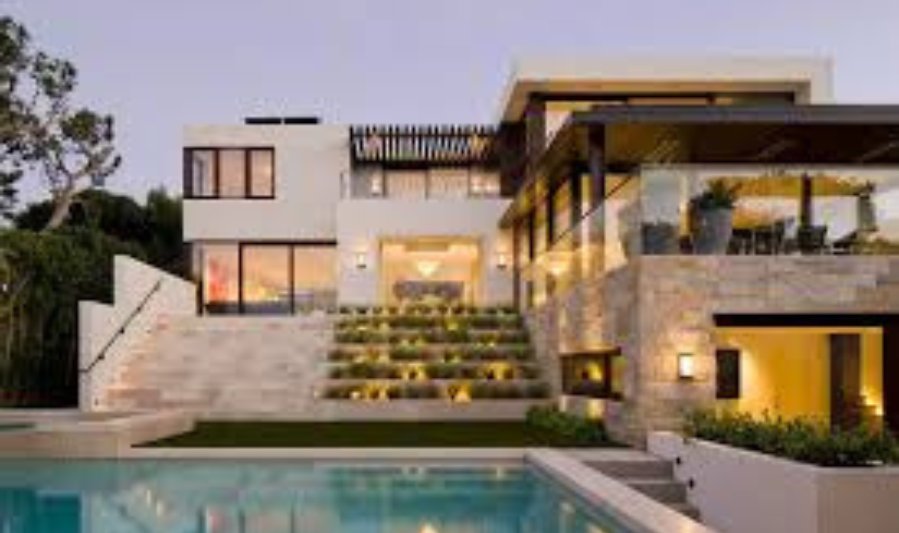
Modern home design is known for its simplicity, efficiency, and clean aesthetic. It focuses on creating spaces that are practical, comfortable, and visually appealing without unnecessary complexity.
Simplicity and Clean Lines
One of the main characteristics of modern home design is simplicity. The design avoids excessive details and focuses on smooth surfaces and straight lines.
Characteristics of Clean-Line Design
- Simple architectural shapes
- Smooth surfaces and minimal detailing
- Neutral and balanced color palettes
- Organized and uncluttered layouts
This approach creates a calm and sophisticated environment.
Functional Spaces
Modern homes are designed with functionality in mind. Each space is planned carefully to serve a clear purpose and improve everyday living.
Benefits of Functional Spaces
- Efficient use of available space
- Better movement and accessibility
- Multi-purpose rooms for modern lifestyles
- Practical layouts that support daily activities
Functional design ensures that every part of the home is useful and comfortable.
Minimal Decoration
Modern design follows the principle that less decoration often creates a stronger visual impact. Instead of filling a room with many decorative items, it focuses on a few meaningful pieces.
Features of Minimal Decoration
- Limited use of accessories
- Simple artwork or decorative elements
- Clean and open surfaces
- Focus on quality rather than quantity
This approach keeps the space visually balanced and easy to maintain.
Focus on Comfort and Practicality

Comfort and practicality are essential elements of modern home design. Furniture, materials, and layouts are chosen to improve everyday living.
Ways Modern Design Enhances Comfort
- Comfortable and ergonomic furniture
- Natural lighting and good ventilation
- Practical storage solutions
- Open and flexible living areas
By combining comfort with simplicity, modern home design creates spaces that support both relaxation and functionality.
Popular Modern Home Design Styles
Modern home design includes several styles that combine simplicity, functionality, and aesthetics. Each style has its own unique characteristics while still following the principles of modern design.
Minimalist Style
Minimalist design focuses on simplicity and the concept of “less is more.” It removes unnecessary elements and keeps only what is essential for functionality and visual clarity.
Key Features of Minimalist Style
- Simple and uncluttered spaces
- Neutral color palettes such as white, gray, and beige
- Limited furniture and decoration
- Clean lines and open layouts
- Focus on functionality and organization
Minimalist homes create a calm and peaceful environment.
Contemporary Style
Contemporary design reflects current trends and evolves over time. It combines modern elements with innovative ideas and materials.
Key Features of Contemporary Style
- Open and flexible spaces
- Neutral colors with bold accent tones
- Smooth surfaces and clean lines
- Use of materials like glass, metal, and wood
- Emphasis on natural light
This style offers a balanced mix of comfort, elegance, and modern aesthetics.
Scandinavian Design
Scandinavian design is known for its simplicity, warmth, and functionality. It originated in Nordic countries and focuses on creating bright and comfortable living spaces.
Key Features of Scandinavian Design
- Light and neutral color schemes
- Natural materials such as wood and cotton
- Simple and functional furniture
- Large windows for natural light
- Cozy and inviting atmosphere
Scandinavian design combines practicality with a sense of warmth and comfort.
Industrial Modern Design
Industrial modern design is inspired by old factories and warehouses. It highlights raw materials and unfinished textures to create a bold and unique interior style.
Key Features of Industrial Modern Design
- Exposed brick walls and metal structures
- Open floor plans
- Neutral and dark color tones
- Use of materials like steel, concrete, and reclaimed wood
- Minimal decoration with strong design elements
This style creates a modern yet rugged and urban look.
Color Schemes in Modern Homes
Color plays a significant role in modern home design. A well-planned color scheme helps create harmony, enhances the overall appearance of a space, and influences the mood of the environment. Modern interiors often focus on balanced color combinations that maintain simplicity while adding visual interest.
Neutral Color Palettes
Neutral colors are commonly used in modern homes because they create a clean and sophisticated foundation. These colors help make spaces feel calm, open, and timeless.
Common Neutral Colors
- White
- Beige
- Gray
- Cream
- Soft earth tones
Neutral palettes allow furniture, textures, and architectural elements to stand out without overwhelming the space.
Using Accent Colors
Accent colors are used to add personality and visual interest to a neutral interior. Instead of covering an entire room with bold shades, accent colors are applied in smaller areas.
Ways to Use Accent Colors
- Accent walls
- Decorative pillows and cushions
- Artwork and wall decor
- Rugs and curtains
- Small furniture pieces
Accent colors help break the monotony of neutral spaces while keeping the design balanced.
Creating Balance with Color Combinations
Balanced color combinations are essential for maintaining harmony in modern interiors. The goal is to ensure that no single color dominates the room.
Tips for Balanced Color Design
- Follow the 60-30-10 color rule (dominant, secondary, accent)
- Pair bold colors with neutral backgrounds
- Use similar tones to maintain visual harmony
- Avoid using too many strong colors in one space
By carefully combining colors, modern homes can achieve a stylish, comfortable, and well-balanced appearance.
Modern Furniture Ideas
Furniture plays an important role in modern home design because it combines style with functionality. Modern furniture is usually simple, practical, and designed to make the best use of available space while maintaining a clean and organized appearance.
Simple and Sleek Furniture
Modern furniture often features clean lines, smooth surfaces, and minimal detailing. The focus is on simplicity and elegance rather than heavy decoration.
Characteristics of Simple and Sleek Furniture
- Straight and clean lines
- Smooth and polished surfaces
- Neutral or subtle color tones
- Lightweight and uncluttered designs
- Functional and comfortable structures
This type of furniture helps create a calm and visually balanced interior.
You may also like to read these posts:
Tech Giant Google Launches Budget-Friendly Pixel 10a
Dog Care Tips: Essential Guide for a Happy and Healthy Pet
Pet Dental Care Tips: Keep Your Dog and Cat’s Teeth Healthy
Beginner’s Guide to Whey Protein: Benefits, Types & How to Use
Prime Property Listings for Sale – Find Your Dream Home Today
Multi-Functional Furniture
Multi-functional furniture is designed to serve more than one purpose. It is especially useful in modern homes where efficiency and flexibility are important.
Examples of Multi-Functional Furniture
- Sofa beds that convert into sleeping areas
- Storage ottomans that provide seating and storage
- Extendable dining tables
- Beds with built-in storage drawers
These pieces help maximize usability while keeping spaces organized.
Space-Saving Furniture for Small Homes
Modern design often focuses on making the best use of limited space. Space-saving furniture is ideal for apartments or smaller homes.
Space-Saving Furniture Ideas
- Foldable tables and chairs
- Wall-mounted desks and shelves
- Stackable furniture pieces
- Compact sofas and modular seating
Using space-saving furniture allows small homes to remain comfortable, functional, and visually open.
Faqs:
What is modern home design inspiration?
Modern home design inspiration refers to ideas and concepts that help create a stylish, functional, and contemporary living space.
What are the main features of modern home design?
Modern home design features include clean lines, simple layouts, neutral colors, natural materials, and functional furniture.
How can I create a modern home design on a budget?
You can create a modern home design by using simple furniture, neutral colors, smart storage solutions, and minimal decoration.
Why is natural light important in modern home design?
Natural light makes spaces look brighter, larger, and more welcoming while improving the overall atmosphere of the home.
What colors are commonly used in modern home design?
Common colors include white, gray, beige, and other neutral tones, often combined with subtle accent colors for contrast.
Conclusion
Modern home design inspiration helps homeowners create spaces that are stylish, functional, and comfortable. By focusing on simplicity, neutral colors, natural lighting, and practical furniture, you can transform any home into a modern and welcoming environment. With the right ideas and planning, modern design can enhance both the beauty and functionality of your living space.


