


Introduction
Home design is an essential aspect of creating comfortable, functional, and attractive living spaces. It involves planning the structure, layout, interior, and exterior elements of a home to ensure both beauty and practicality. Effective home design improves the overall living experience and increases the value of the property.
1.1 Meaning of Home Design
Definition
Home design refers to the process of planning and organizing the physical appearance and layout of a house. It includes both interior and exterior elements to create a balanced and functional environment.
Key Components
- Space planning
- Architectural structure
- Interior decoration
- Exterior appearance
- Color schemes and materials
The main purpose of home design is to create a space that meets the needs, preferences, and lifestyle of the residents.
1.2 Importance of Interior and Exterior Design
Interior Design Importance
Interior design focuses on the arrangement and decoration of spaces inside the home. It ensures comfort, proper lighting, efficient use of space, and attractive surroundings. A well-designed interior improves functionality and enhances daily living.
Exterior Design Importance
Exterior design deals with the outer appearance of the home, including the building structure, garden, landscaping, and outdoor features. It improves curb appeal, protects the building, and creates a positive first impression.
Difference Between Interior and Exterior Design
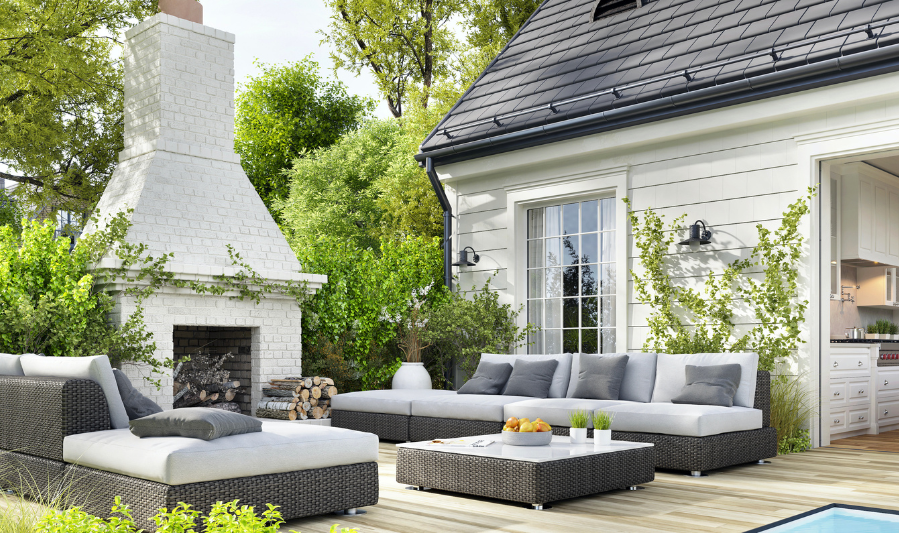
Interior Design:
Focuses on the inside areas of the home, including rooms, furniture, lighting, decorations, and color schemes. Its goal is to improve comfort, functionality, and indoor aesthetics.
Exterior Design:
Deals with the outside appearance of the home, such as the building structure, facade, landscaping, garden, driveway, and outdoor spaces. It enhances curb appeal and protects the building structure.
Key Difference:
Interior design improves indoor living spaces, while exterior design enhances the outer appearance and structural presentation of the home. Both are essential for a complete and well-balanced home design.
Popular Home Design Styles
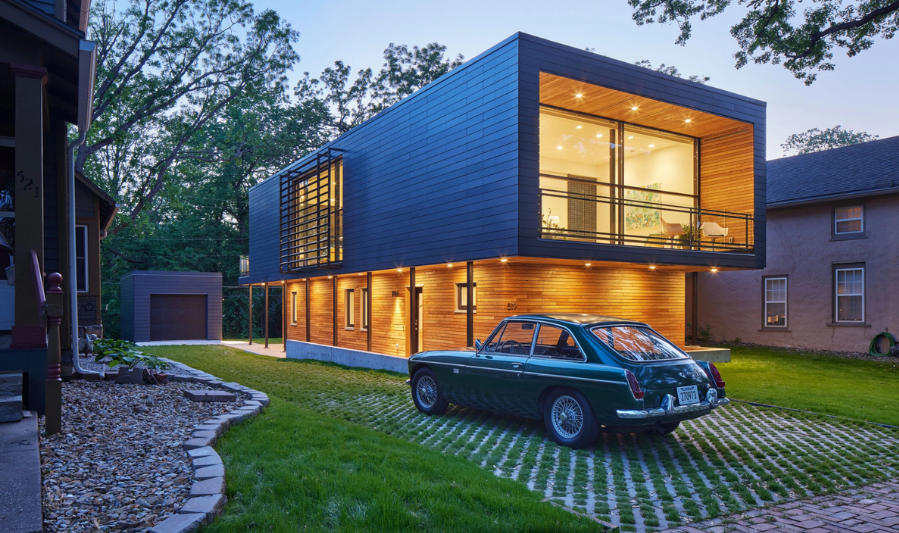
Home design styles represent different aesthetic approaches used to create beautiful and functional living spaces. Each style has unique features, materials, colors, and layouts that reflect personal preferences and lifestyle choices. Understanding these styles helps homeowners select the most suitable design for their homes.
Modern Design
Overview
Modern design focuses on simplicity, clean lines, and functional layouts. It avoids unnecessary decorations and emphasizes open spaces.
Key Features
- Neutral color schemes
- Open floor plans
- Large windows for natural light
- Minimal decorative elements
- Simple and functional furniture
Modern design creates a clean, organized, and contemporary living environment.
Minimalist Design
Overview
Minimalist design follows the principle of “less is more.” It focuses on simplicity and removing excess items.
Key Features
- Limited furniture and décor
- Neutral and soft colors
- Clean surfaces
- Organized spaces
- Strong focus on functionality
This style creates calm, clutter-free, and peaceful interiors.
Contemporary Design
Overview
Contemporary design reflects current trends and changes over time. It combines comfort with modern aesthetics.
Key Features
- Smooth lines and textures
- Mixed materials (glass, metal, wood)
- Flexible layouts
- Stylish lighting
- Balanced color combinations
Contemporary design is adaptable and trend-focused.
Traditional Design
Overview
Traditional design is inspired by classic and historical styles. It emphasizes elegance and detailed craftsmanship.
Key Features
- Rich and warm colors
- Decorative furniture
- Symmetrical layouts
- Classic patterns
- Ornamental details
This style creates a timeless and formal atmosphere.
Scandinavian Design
Overview
Scandinavian design is known for its simplicity, comfort, and connection to nature. It focuses on bright and airy spaces.
Key Features
- Light color palettes
- Wooden elements
- Natural lighting
- Cozy textures
- Functional furniture
This style promotes warmth, simplicity, and practicality.
Luxury Home Design
Overview
Luxury home design emphasizes elegance, high-quality materials, and premium finishes. It focuses on comfort and sophistication.
Key Features
- Spacious layouts
- High-end materials
- Custom furniture
- Advanced technology
- Elegant lighting and décor
Living Room Design Ideas
The living room is one of the most important areas of a home because it is used for relaxation, entertainment, and family gatherings. A well-designed living room should be comfortable, functional, and visually appealing. The following ideas can help improve its overall look and usability.
Furniture Arrangement
Proper furniture arrangement improves movement and creates a balanced layout. Furniture should be placed in a way that allows easy access and conversation. Avoid overcrowding the space. Sofas, chairs, and tables should be arranged according to room size and shape. A focal point, such as a television unit or fireplace, can help organize the layout effectively.
Color Combinations
Color plays a major role in setting the mood of the living room. Light colors like white, beige, and soft grey make the space look larger and brighter. Bold colors can be used as accent shades through cushions, rugs, or artwork. Choosing harmonious color combinations creates a pleasant and inviting atmosphere.
Lighting Ideas
Good lighting enhances both functionality and aesthetics. Natural light should be maximized through windows and curtains. Artificial lighting can include ceiling lights, floor lamps, table lamps, and wall lights. Layered lighting (combining ambient, task, and accent lighting) creates depth and improves the overall design.
Wall Decoration
Walls can be decorated to add personality and style. Options include paintings, framed photos, mirrors, wallpapers, or decorative shelves. Accent walls with different colors or textures can also create visual interest. Wall decoration should match the overall theme of the room.
Space Optimization
Efficient use of space makes the living room more comfortable and organized. Multi-functional furniture, such as storage sofas or foldable tables, can save space. Keeping the room clutter-free and using smart storage solutions helps maintain cleanliness and openness. Proper space planning ensures comfort even in smaller living rooms.
Bedroom Design Ideas
The bedroom is a personal space designed for rest, relaxation, and privacy. A well-designed bedroom should promote comfort, calmness, and functionality. Careful planning of furniture, colors, lighting, and decoration can create a peaceful environment that supports good sleep and overall well-being.
Comfortable Bed Placement
The placement of the bed is the most important element in bedroom design. The bed should be positioned in a way that allows easy movement around the room. Ideally, it should be placed against a solid wall for stability and comfort. Avoid placing the bed directly in line with the door, if possible, to maintain privacy and balance. Proper placement improves room flow and creates a focal point.
Relaxing Color Schemes
Color plays a key role in creating a calm atmosphere. Soft and neutral shades such as white, beige, light grey, pastel blue, or light green are commonly used in bedrooms. These colors promote relaxation and reduce stress. Bright or bold colors can be used as accents in small decorative elements to maintain balance.
Storage Solutions
Efficient storage keeps the bedroom organized and clutter-free. Built-in wardrobes, under-bed storage, wall shelves, and drawers help maximize space. Smart storage solutions are especially useful in smaller bedrooms. Organized spaces create a clean and peaceful environment.
Lighting Setup
Proper lighting enhances comfort and functionality. Bedrooms should have a combination of natural and artificial lighting. Soft ceiling lights, bedside lamps, and adjustable lighting are ideal for creating a relaxing mood. Warm lighting is generally preferred because it supports rest and relaxation.
Decorative Elements
Decorative elements add personality and style to the bedroom. These may include artwork, curtains, cushions, rugs, plants, and wall décor. Decorations should complement the overall theme and color scheme of the room. Simple and minimal décor often works best to maintain a calm atmosphere.
You may also like to read these posts:
Tech Giant Google Launches Budget-Friendly Pixel 10a
Dog Care Tips: Essential Guide for a Happy and Healthy Pet
Pet Dental Care Tips: Keep Your Dog and Cat’s Teeth Healthy
Beginner’s Guide to Whey Protein: Benefits, Types & How to Use
Prime Property Listings for Sale – Find Your Dream Home Today
Bedroom Design Ideas
The bedroom is a personal space designed for rest, relaxation, and privacy. A well-designed bedroom should promote comfort, calmness, and functionality. Careful planning of furniture, colors, lighting, and decoration can create a peaceful environment that supports good sleep and overall well-being.
Comfortable Bed Placement
The placement of the bed is the most important element in bedroom design. The bed should be positioned in a way that allows easy movement around the room. Ideally, it should be placed against a solid wall for stability and comfort. Avoid placing the bed directly in line with the door, if possible, to maintain privacy and balance. Proper placement improves room flow and creates a focal point.
Relaxing Color Schemes
Color plays a key role in creating a calm atmosphere. Soft and neutral shades such as white, beige, light grey, pastel blue, or light green are commonly used in bedrooms. These colors promote relaxation and reduce stress. Bright or bold colors can be used as accents in small decorative elements to maintain balance.
Storage Solutions
Efficient storage keeps the bedroom organized and clutter-free. Built-in wardrobes, under-bed storage, wall shelves, and drawers help maximize space. Smart storage solutions are especially useful in smaller bedrooms. Organized spaces create a clean and peaceful environment.
Lighting Setup
Proper lighting enhances comfort and functionality. Bedrooms should have a combination of natural and artificial lighting. Soft ceiling lights, bedside lamps, and adjustable lighting are ideal for creating a relaxing mood. Warm lighting is generally preferred because it supports rest and relaxation.
Decorative Elements
Decorative elements add personality and style to the bedroom. These may include artwork, curtains, cushions, rugs, plants, and wall décor. Decorations should complement the overall theme and color scheme of the room. Simple and minimal décor often works best to maintain a calm atmosphere.
Faqs:
What are home design ideas?
Home design ideas are creative suggestions and planning strategies used to improve the appearance, comfort, and functionality of a home. They include interior design, furniture arrangement, lighting, color selection, and decoration tips.
How can I choose the right home design style?
You can choose a style based on your budget, space size, personal preference, and lifestyle needs.
What are popular home design styles?
Popular styles include modern, minimalist, traditional, contemporary, and Scandinavian design.
How can I improve my home design on a budget?
You can repaint walls, rearrange furniture, add lighting, use simple decorations, and include indoor plants.
How can I make my home design more attractive?
You can make your home more attractive by using a balanced color scheme, proper lighting, stylish furniture, decorative items, and keeping the space clean and organized.
Conclusion
Home design ideas help improve the beauty, comfort, and functionality of a home. By choosing the right style, colors, furniture, and lighting, you can create a space that matches your needs and personality. Even small changes and budget-friendly improvements can make a big difference. Good planning and simple design choices can turn any house into a comfortable and attractive home.


