


Introduction
Residential property listings are detailed advertisements of homes available for sale or rent in the real estate market. They provide essential information such as property type, location, price, size, number of rooms, amenities, and images. These listings help buyers, renters, and investors understand available options and compare properties before making decisions.
In today’s real estate market, property listings are extremely important. They increase transparency by providing clear and accessible information to the public. Well-prepared listings help attract serious buyers, reduce unnecessary visits, and speed up the buying or renting process. With growing population and urban development, the demand for housing continues to rise, making accurate and attractive listings essential for successful transactions.
Online platforms play a major role in modern property search. Websites and mobile applications allow users to search properties easily using filters such as price range, location, property type, and features. These platforms provide photographs, virtual tours, maps, and direct contact options, making the process more convenient and time-saving. As a result, online platforms have significantly transformed the real estate industry by simplifying how people search for and evaluate residential properties
Understanding Residential Property Listings
Residential property listings play a central role in the real estate industry by connecting property owners with potential buyers or renters. They provide structured and detailed information about homes available in the market, helping individuals make informed decisions during the buying, selling, or renting process.
2.1 Definition of Residential Listings
Residential listings refer to official advertisements or records of homes that are available for sale or rent. These listings include important details such as property location, price, size, number of bedrooms and bathrooms, features, photographs, and contact information. They may appear in newspapers, real estate offices, or online platforms, making property information accessible to the public.
2.2 Purpose of Residential Listings
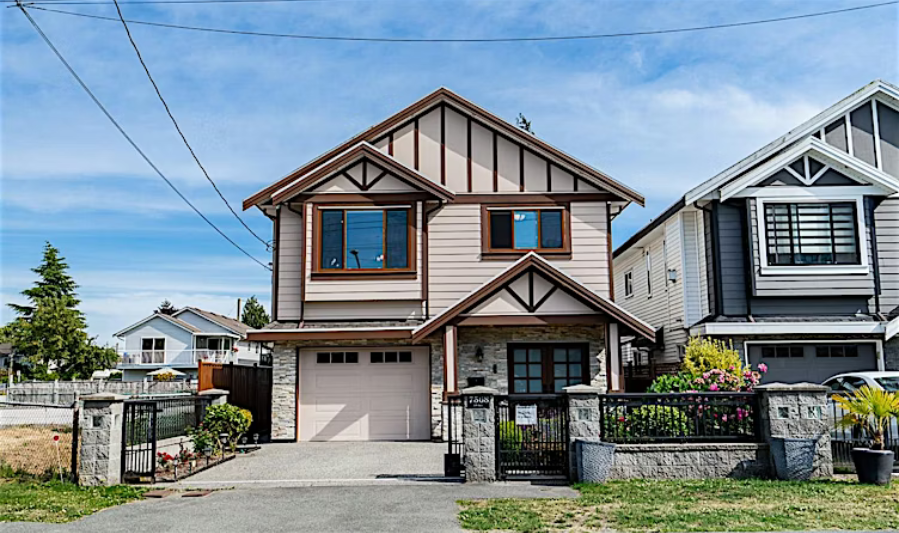
The main purpose of residential listings is to inform potential buyers and tenants about available properties. They help increase visibility for sellers, attract interested clients, and simplify the property search process. Listings also promote transparency by providing clear and accurate information, which supports better decision-making and reduces misunderstandings between parties.
2.3 How Listings Work in the Real Estate Process
In the real estate process, property owners or agents submit details of a property to be listed on platforms or through agencies. Once published, the listing becomes visible to interested buyers or renters. Potential clients can review the information, compare different properties, and contact the seller or agent for inquiries or viewings. When interest is confirmed, the process moves toward negotiation, agreement, and final transaction. This system helps streamline communication and ensures an organized approach to property buying and selling.
Types of Residential Properties

Residential properties are available in different forms to suit various lifestyle needs, family sizes, and budgets. Each type has unique features in terms of space, privacy, design, and location. Understanding these categories helps buyers and renters make better decisions in the real estate market.
3.1 Houses
Overview
Houses are standalone residential buildings designed for one family. They are not shared with other households and usually come with private land, gardens, or yards.
Key Features
- Independent structure
- More privacy
- Outdoor space
- Suitable for families
Houses are ideal for people who prefer independence, space, and long-term living comfort.
3.2 Apartments
Overview
Apartments are individual housing units within a larger building or residential complex. Multiple families live in separate units under one structure.
Key Features
- Shared building facilities
- Security systems
- Maintenance services
- Common areas (elevators, parking, corridors)
Apartments are common in urban areas due to convenience, affordability, and access to city services.
3.3 Villas
Overview
Villas are luxury residential properties that offer spacious layouts and high-end features. They are often located in premium neighborhoods.
Key Features
- Large living areas
- Private gardens or lawns
- Modern amenities
- High privacy
Villas are suitable for individuals or families seeking comfort, exclusivity, and upscale living.
3.4 Townhouses
Overview
Townhouses are multi-level homes that share one or two walls with neighboring properties but have separate entrances.
Key Features
- Attached structure
- Private entrance
- Multiple floors
- Moderate pricing
Townhouses provide a balance between apartment living and independent houses.
3.5 Duplex and Triplex Homes
Overview
Duplex homes contain two separate residential units in one building, while triplex homes contain three units. Each unit may have its own entrance.
Key Features
- Multiple living units
- Suitable for families or rentals
- Shared structure
- Separate living spaces
These properties are often used for extended families or rental income purposes.
3.6 Gated Community Homes
Overview
Gated community homes are located within secured residential areas with controlled access. These communities focus on safety and organized living.
Key Features
- Security services
- Controlled entry/exit
- Shared facilities (parks, gyms, clubs)
- Community environment
Gated communities are popular among families who prioritize safety, comfort, and community lifestyle
Key Elements of a High-Quality Residential Listing
A high-quality residential listing provides clear, accurate, and complete information about a property. It helps attract serious buyers or renters and makes the property stand out in a competitive market. The following elements are essential for creating an effective listing.
4.1 Price Information
Overview
Price is one of the most important components of a residential listing. It informs potential buyers or tenants about the financial requirement of the property.
Importance
- Helps buyers determine affordability
- Enables comparison with similar properties
- Builds transparency in the transaction process
Clear pricing reduces confusion and saves time for both parties.
4.2 Location Details and Map
Overview
Location information describes where the property is situated. It may include the neighborhood, city, nearby landmarks, and access to facilities.
Importance
- Shows proximity to schools, hospitals, and markets
- Helps evaluate transportation access
- Assists buyers in understanding the surroundings
Including a map improves clarity and makes it easier to locate the property.
4.3 Property Size and Layout
Overview
Property size refers to the total area of the home, while layout explains the internal design and room arrangement.
Importance
- Helps buyers understand space availability
- Indicates suitability for family size
- Provides insight into room flow and design
A clear layout description improves buyer confidence.
4.4 Number of Bedrooms and Bathrooms
Overview
This element specifies how many bedrooms and bathrooms the property includes.
Importance
- Determines comfort level
- Matches family requirements
- Influences property value
This information is essential for decision-making, especially for families.
4.5 Amenities and Facilities
Overview
Amenities include additional features that enhance comfort and convenience.
Examples
- Parking space
- Security systems
- Swimming pool
- Gym
- Garden or balcony
Amenities increase property attractiveness and market value.
4.6 High-Quality Photos and Videos
Overview
Visual content plays a major role in residential listings. Clear images and videos showcase the actual condition of the property.
Importance
- Attracts more attention
- Builds trust with potential buyers
- Provides a realistic view of the property
- Supports online marketing
High-quality visuals significantly improve engagement and interest in the listing.
You may also like to read these posts:
Tech Giant Google Launches Budget-Friendly Pixel 10a
Dog Care Tips: Essential Guide for a Happy and Healthy Pet
Pet Dental Care Tips: Keep Your Dog and Cat’s Teeth Healthy
Beginner’s Guide to Whey Protein: Benefits, Types & How to Use
Prime Property Listings for Sale – Find Your Dream Home Today
Benefits of Residential Property Listings Online
Online residential property listings have transformed the real estate industry by making property search more efficient and accessible. They provide several advantages to buyers, sellers, and real estate professionals. The key benefits are outlined below.
5.1 Easy Comparison
Overview
Online platforms allow users to compare multiple properties side by side.
Benefits
- Compare prices, locations, and features
- Evaluate different layouts and sizes
- Make informed decisions quickly
This simplifies the selection process and improves decision-making.
5.2 Time-Saving Process
Overview
Searching for properties online reduces the need for physical visits in the early stages.
Benefits
- Quick access to property details
- Filter options based on preferences
- Reduced travel time
This makes the property search more efficient and convenient.
5.3 Wide Range of Options
Overview
Online listings provide access to numerous properties in different locations and price ranges.
Benefits
- More choices available
- Access to local and international markets
- Variety of property types
This increases the chances of finding a suitable property.
5.4 Real-Time Updates
Overview
Online platforms frequently update listings to reflect current market availability.
Benefits
- Latest property information
- Immediate notification of new listings
- Reduced risk of outdated data
Real-time updates improve accuracy and reliability.
5.5 Transparency in Information
Overview
Online listings usually include detailed descriptions, photos, and pricing information.
Benefits
- Clear property details
- Better understanding before contacting agents
- Increased trust in the process
Transparency supports confident decision-making.
5.6 24/7 Accessibility
Overview
Online property listings are available at any time through websites and mobile applications.
Benefits
- Search anytime and anywhere
- Flexible access for users
- Convenient for busy individuals
This continuous availability makes property searching more flexible and user-friendly.
Faqs:
What is a residential property listing?
A residential property listing is an online or offline advertisement that provides detailed information about homes available for sale or rent. It includes details such as price, location, size, features, photos, and contact information.
Why are updated residential listings important?
Updated listings ensure that buyers see the latest information about property availability and pricing. This helps avoid outdated details and supports accurate decision-making in the real estate market.
What information should a good residential listing include?
A good residential listing should include price details, property location, size, number of bedrooms and bathrooms, amenities, high-quality images or videos, legal information, and contact details.
How can I find the right residential property online?
You can use search filters on real estate websites to select your preferred location, budget, and property type. Comparing multiple listings and checking legal details can help you choose the best option.
Are online residential property listings reliable?
Most online listings are reliable, especially when posted by verified real estate agents or trusted platforms. However, it is always recommended to verify details, check updated information, and confirm legal documentation before making any decision.
Conclusion
In conclusion, residential property listings are an essential part of the modern real estate industry. They provide clear, updated, and detailed information that helps buyers, sellers, and investors make informed decisions. With the growth of online platforms, searching for homes has become more convenient, transparent, and efficient than ever before.
By understanding how to read listings, compare properties, and check important details such as price, location, amenities, and legal documentation, individuals can reduce risks and find the right property with confidence. Residential property listings not only simplify the buying and selling process but also play a key role in creating a well-organized and accessible real estate market.


