


Introduction
Importance of Buying a Home
Financial Investment
Buying a home is one of the most significant financial decisions an individual or family can make. Real estate often serves as a long-term asset that can appreciate in value over time, contributing to wealth creation and financial stability.
Personal and Lifestyle Benefits
Homeownership provides stability, privacy, and the freedom to customize living spaces. It also offers a sense of security and long-term residence planning for individuals and families.
Why a Home Buying Guide Is Necessary

Complex Decision-Making Process
The home buying process involves financial planning, market research, legal documentation, inspections, and negotiations. A structured guide helps simplify these steps and reduces uncertainty.
Risk Reduction
A comprehensive guide assists buyers in understanding market conditions, evaluating properties, securing financing, and avoiding common mistakes. This improves confidence and supports informed decision-making.
Who Should Use This Guide
First-Time Buyers
Individuals purchasing their first home can benefit from step-by-step guidance on budgeting, mortgage options, property selection, and closing procedures.
Families
Families seeking suitable living spaces can use the guide to evaluate location, neighborhood quality, school access, space requirements, and long-term suitability.
Investors
Real estate investors can use this guide to assess rental potential, property appreciation, financing strategies, and overall return on investment.
Overview of the Buying Process
Step 1: Financial Preparation
This includes assessing income, savings, credit score, and determining budget capacity. Pre-approval for financing is often an important early step.
Step 2: Property Search
Buyers research available properties based on location, price range, size, and features.
Step 3: Property Evaluation
This stage involves viewing homes, comparing options, and conducting inspections to assess condition and value.
Step 4: Making an Offer
Once a suitable property is identified, the buyer submits an offer and negotiates terms with the seller.
Step 5: Legal and Financial Closing
The final stage includes completing documentation, securing financing, transferring ownership, and officially closing the transaction.
Understanding the Home Buying Process
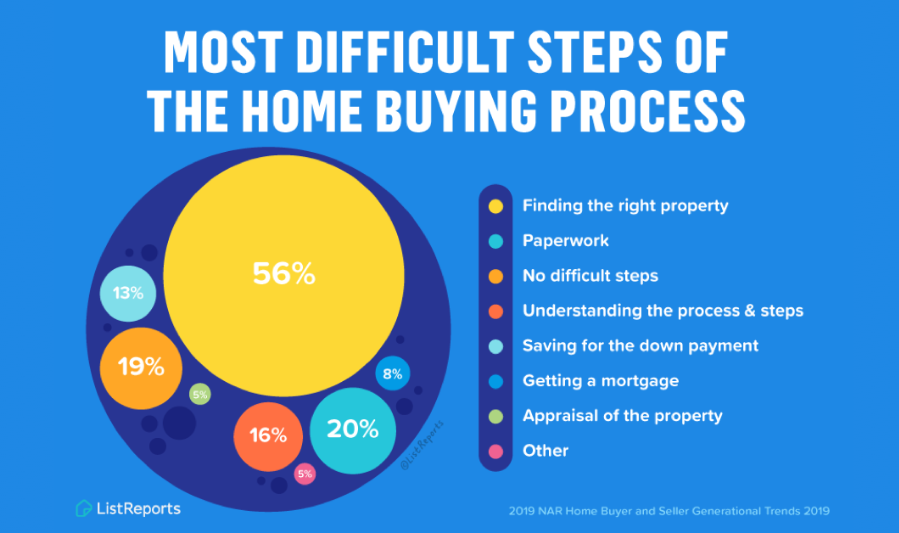
Step-by-Step Overview
1. Financial Preparation
Before beginning the search, buyers should evaluate their budget, savings, credit score, and overall affordability. Getting pre-approved for a mortgage helps determine the price range and strengthens the buyer’s position in negotiations.
2. Property Search
Buyers research available properties based on location, size, budget, amenities, and long-term goals. This stage may involve working with a real estate agent and comparing multiple options.
3. Property Viewing and Evaluation
Shortlisted properties are visited for inspection. Buyers assess the condition, layout, neighborhood, and suitability. A professional home inspection is often recommended.
4. Making an Offer
Once a suitable property is selected, the buyer submits a formal offer. The seller may accept, reject, or counter the offer. Negotiations may involve price, closing date, or other terms.
5. Agreement and Documentation
After acceptance, legal documents are prepared. This includes purchase agreements, financing arrangements, and required disclosures.
6. Final Closing
The transaction is completed through payment transfer, legal verification, and registration of ownership. Once finalized, the buyer receives the keys and becomes the official owner.
Timeline of Purchasing a Home
Short-Term Timeline
The home buying process may take several weeks to a few months, depending on market conditions, financing approval, and legal procedures.
Factors Affecting Duration
Timeline variations depend on property availability, negotiation length, inspection results, mortgage processing time, and local regulations.
Key Stages Involved
- Financial assessment and pre-approval
- Property search and selection
- Offer submission and negotiation
- Home inspection and appraisal
- Contract finalization
- Closing and ownership transfer
Each stage plays an important role in ensuring a smooth and secure transaction.
Common Challenges
Financing Difficulties
Loan approval delays, credit issues, or changing interest rates can affect affordability and timing.
Market Competition
In high-demand markets, buyers may face bidding competition and limited inventory.
Inspection and Legal Issues
Unexpected property defects or documentation concerns may require additional negotiation or adjustments.
Emotional Decision-Making
Purchasing a home is both a financial and emotional decision. Rushed choices can lead to long-term dissatisfaction.
Financial Planning Before Buying
3.1 Assessing Your Budget
Income Evaluation
The first step in financial planning is reviewing your total monthly income. This includes salary, business income, investments, and any additional reliable sources. Understanding stable income helps determine how much can be allocated toward housing expenses.
Expense Calculation
All regular expenses should be reviewed, including utilities, transportation, food, insurance, education, and existing loan payments. Comparing income and expenses helps identify how much money remains available for a home purchase without creating financial strain.
Savings Analysis
Buyers should evaluate their current savings to determine readiness for upfront costs such as the down payment, closing costs, inspection fees, and moving expenses. Maintaining an emergency fund is also important to cover unexpected financial needs.
3.2 Down Payment Planning
Minimum Down Payment
The required down payment depends on the type of loan, lender requirements, and local regulations. Some financing programs allow lower down payments, while others may require a higher percentage of the property value.
Saving Strategies
Effective saving strategies include setting a monthly savings target, reducing non-essential expenses, creating a dedicated home fund account, and exploring investment options that align with short-term financial goals. Consistent planning improves readiness for home purchase.
3.3 Credit Score Importance
Role of Credit Score in Loan Approval
A credit score plays a critical role in mortgage approval. Lenders use it to evaluate financial reliability and repayment history. A higher credit score can improve loan eligibility, increase approval chances, and may result in better interest rates and loan terms.
How to Improve Credit Score
To strengthen creditworthiness, buyers can:
- Pay bills on time consistently
- Reduce outstanding debt balances
- Avoid excessive new credit applications
- Review credit reports for errors and correct inaccuracies
- Maintain low credit utilization ratios
Improving credit health before applying for a mortgage can increase financing options and reduce long-term borrowing costs.
Mortgage and Loan Options
Types of Home Loans
Conventional Loans
These are standard mortgage loans offered by banks and financial institutions. They typically require good credit history and may have varying down payment requirements.
Government-Backed Loans
Some loans are supported by government programs to make homeownership more accessible. These often have flexible eligibility criteria and may require lower down payments.
Fixed-Rate Mortgages
With a fixed-rate loan, the interest rate remains the same throughout the loan term. This provides predictable monthly payments and long-term stability.
Adjustable-Rate Mortgages (ARM)
In adjustable-rate loans, the interest rate may change periodically based on market conditions. Initial rates may be lower, but payments can increase over time.
Interest Rates
How Interest Rates Work
Interest is the cost of borrowing money. The rate determines how much additional amount is paid over the life of the loan.
Factors Affecting Interest Rates
Interest rates are influenced by economic conditions, inflation, central bank policies, credit score, loan type, and market demand.
Impact on Monthly Payments
Even small changes in interest rates can significantly affect total repayment amounts and monthly installments.
Loan Pre-Approval Process
Purpose of Pre-Approval
Pre-approval is a lender’s preliminary evaluation of a buyer’s financial status. It estimates how much the buyer may qualify to borrow.
Required Documentation
The process usually involves providing proof of income, employment details, credit history, bank statements, and identification documents.
Benefits of Pre-Approval
Pre-approval strengthens the buyer’s position in negotiations and helps define a realistic budget before property searching.
Comparing Lenders
Interest Rate Comparison
Different lenders may offer varying interest rates and loan conditions. Comparing options helps identify the most cost-effective choice.
Fees and Charges
In addition to interest rates, buyers should evaluate processing fees, closing costs, early repayment penalties, and other associated expenses.
Customer Service and Flexibility
Service quality, responsiveness, and loan flexibility are also important considerations when selecting a lender.
You may also like to read these posts:
Tech Giant Google Launches Budget-Friendly Pixel 10a
Dog Care Tips: Essential Guide for a Happy and Healthy Pet
Pet Dental Care Tips: Keep Your Dog and Cat’s Teeth Healthy
Beginner’s Guide to Whey Protein: Benefits, Types & How to Use
Prime Property Listings for Sale – Find Your Dream Home Today
Understanding Repayment Terms
Loan Tenure
Loan tenure refers to the length of time over which the mortgage is repaid. Longer terms may reduce monthly payments but increase total interest paid.
Monthly Installments
Repayments typically include principal (loan amount) and interest. Some loans may also include taxes and insurance in monthly payments.
Early Repayment Options
Some lenders allow early repayment or additional payments to reduce interest costs. It is important to understand any penalties or conditions associated with prepayment.
Choosing the Right Location
Importance of Location
Impact on Property Value
Location is one of the most important factors in real estate. It directly influences property value, demand, rental potential, and long-term appreciation. Well-located properties generally retain value better over time.
Lifestyle and Convenience
The right location affects daily convenience, commute time, access to services, and overall quality of life. Proximity to essential facilities improves comfort and practicality.
Urban vs Suburban Areas
Urban Areas
Urban locations typically offer closer access to employment centers, shopping districts, educational institutions, healthcare facilities, and public transportation. They may have higher property prices and smaller living spaces due to limited land availability.
Suburban Areas
Suburban locations often provide larger homes, quieter environments, and more open space. They may be preferred by families seeking affordability, privacy, and community-oriented neighborhoods. However, commuting times may be longer compared to urban areas.
Infrastructure and Facilities
Transportation Access
Good road networks, public transport systems, and connectivity to major highways enhance property attractiveness.
Essential Services
Access to schools, hospitals, markets, banks, and recreational facilities significantly increases the desirability of a location.
Utilities and Development Quality
Reliable water supply, electricity, internet connectivity, and sanitation systems contribute to comfortable living conditions and property value stability.
Future Development Plans
Growth Potential
Upcoming infrastructure projects, commercial developments, and housing expansions can increase future property values.
Urban Planning Initiatives
Government development plans, zoning regulations, and investment in public facilities may positively influence long-term demand in specific areas.
Safety and Neighborhood Analysis
Security Conditions
Low crime rates and well-maintained surroundings improve buyer confidence and residential satisfaction.
Community Environment
Neighborhood reputation, cleanliness, traffic conditions, and social environment play an important role in location selection.
Long-Term Stability
A stable and well-developed neighborhood typically provides better investment security and consistent demand.
Faqs:
What is a home buying guide?
A home buying guide is a step-by-step resource that explains the process of purchasing a property. It helps buyers understand financial planning, property selection, legal procedures, and final purchase steps.
How much money do I need to buy a home?
The amount depends on the property price, down payment requirements, loan terms, and additional costs such as taxes, registration fees, and maintenance expenses. Proper budgeting is essential before starting the process.
Why is loan pre-approval important?
Loan pre-approval helps you know how much you can borrow from a lender. It strengthens your position when negotiating with sellers and makes the buying process faster and more organized.
What should I check before buying a home?
Before purchasing, you should inspect the property’s condition, verify legal documents, check the location, review amenities, and ensure the price matches market value.
Is it better to buy a new home or a resale property?
Both options have advantages. New homes offer modern features and fewer repairs, while resale properties may offer better pricing and established locations. The choice depends on your budget and preferences.
Conclusion
Buying a home is a major financial and personal decision that requires careful planning and research. Following a structured home buying guide helps simplify the process, from financial preparation and loan approval to property selection and legal documentation.
By understanding your budget, choosing the right location, inspecting the property, and working with professionals, you can reduce risks and make confident decisions. Proper preparation not only ensures a smooth transaction but also helps secure a home that meets your needs and long-term goals.


